University of South Florida
PhD in Applied Behavior Analysis
Train for research, university teaching, and clinical leadership through close faculty mentorship, with funding for at least four years.
- Status
- Now accepting applications
- Deadline and entering term
- Apply by December 5 for Fall 2027. No GRE required.
Select Applied Behavior Analysis PhD in USF's graduate application. Student calls take 30 minutes on Microsoft Teams; no account is needed.
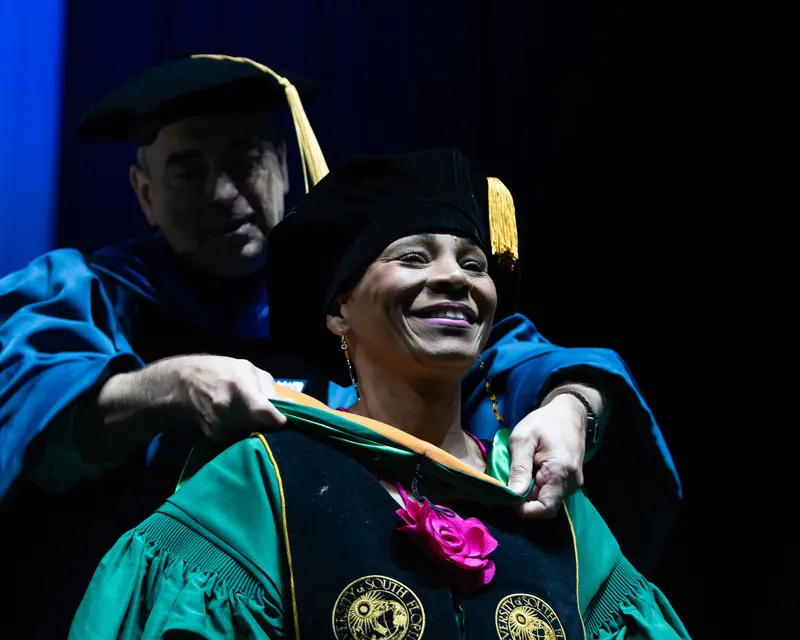
Why pursue your PhD at USF?
You join a lab with faculty and students who share your interests, contribute to their projects, and then lead your own. A primary mentor guides your dissertation from design to publication, and a secondary mentor helps you build additional skills.
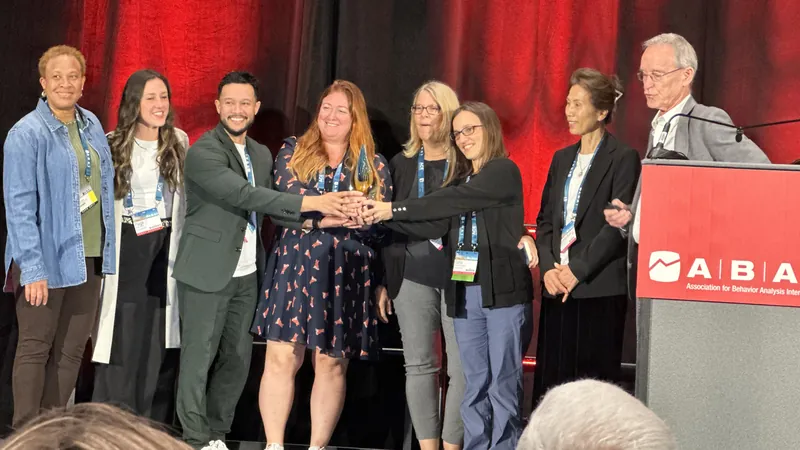
- Real teaching experience
- You teach with mentorship, moving from teaching assistant to instructor of record in classroom and online courses, and you receive training in teaching practices for undergraduate and graduate students. Few doctoral programs give students this much time leading a class.
- Finish in as few as three years
- The course sequence is built for three years, and assistantship funding runs for at least four years. See funding.
- A leading research university
- In 2023, USF became the first public university in Florida invited to join the Association of American Universities in nearly 40 years. The Florida Board of Governors designates USF a Preeminent State Research University. Learn more about the university (opens in a new tab).
At least four years of funding
Every admitted doctoral student receives a graduate assistantship. No separate assistantship application is required.
- First-year stipend
- $29,000Paid monthly
- Years 2 to 4
- $30,000Per year, paid monthly
- Tuition
- WaivedIn-state and out-of-state
- Health insurance
- SubsidizedThrough the assistantship
Assistantship duties, conference support, and terms
Assistantship. A 12-month appointment with 20 hours of work per week. Duties include teaching classes, assisting faculty with research, and other assigned work.
Length of support. At least four years of tuition and health care funding.
Conference support. At least $1,500 per year.
Figures come from the official USF funding page and can change. Read the full terms before you plan.
Faculty and research fit
Doctoral study at USF is built around mentorship, so research fit matters. Highlighted faculty are accepting new doctoral students for Fall 2027 and serve as primary mentors; other faculty may co-advise, and most students work in more than one lab. Email a mentor whose work fits yours before you apply, and explain the fit in your personal statement.
ABA faculty
 Raymond Miltenberger (profile opens in a new tab)Accepting students for Fall 2027Professor and ABA Program DirectorChild safety skills, ABA in sports and fitness, functional assessment, and intervention.Email about Fall 2027
 Kwang-Sun Cho Blair (profile opens in a new tab)Accepting students for Fall 2027ProfessorFunction-based intervention, teacher training, family-centered intervention, and early intervention.Email about Fall 2027
 Sarah E. Bloom (profile opens in a new tab)Accepting students for Fall 2027Associate ProfessorAssessment and treatment of problem behavior, functional analysis and trial-based functional analysis, translational research, reinforcer efficacy, and disability.Email about Fall 2027
 Catia Cividini-Motta (profile opens in a new tab)Accepting students for Fall 2027Assistant Professor and ABA Program Associate DirectorVerbal behavior, assessment and treatment of problem behavior, parent and staff training, skill acquisition, generalization, and maintenance, and teaching procedures.Email about Fall 2027
 Kimberly Crosland (profile opens in a new tab)Accepting students for Fall 2027ProfessorABA and child welfare, behavioral assessment, caregiver training, and developmental disabilities.Email about Fall 2027
 Anthony Concepcion (profile opens in a new tab)Associate Professor of Instruction and Program Chair, Online MAABA in sports, health, and fitness, individualized learning arrangements, and higher education.
 Brianna Laureano (profile opens in a new tab)Assistant Professor of Instruction and Practicum Coordinator, Online MAResurgence, translational research, and severe problem behavior.
 Bryon G. Miller (profile opens in a new tab)Associate Professor of Instruction and Program Chair, ABA MinorPhysical activity, school-based intervention, and nutrition-related behavior.
 Paige Talhelm (profile opens in a new tab)Assistant Professor of Instruction and Practicum Coordinator, MSAssessment and treatment of severe problem behavior, translation of basic behavioral processes to enhance clinical application, and relapse.
 Heather Zerger (profile opens in a new tab)Assistant Professor of Instruction and Associate Chair, Online MAAssessment and treatment of health-related behavior, including physical activity and nutrition, and behavioral gerontology.
Affiliated faculty
These faculty hold appointments in the Department of Child and Family Studies and the Florida Center for Inclusive Communities and collaborate with the ABA program.
 Jennifer Zarcone (profile opens in a new tab)Associate Professor and Co-Director, Florida Center for Inclusive CommunitiesAssessment and treatment of challenging behavior for individuals with autism and intellectual disabilities across the life span, effects of psychotropic medication, and competency-based training for parents and staff.
 Rose Iovannone (profile opens in a new tab)Research Professor and Director, Interdisciplinary Center for Evaluation and InterventionAutism and related disabilities, functional behavior assessment and positive behavior supports, and augmentative and alternative communication.
Research areas across the ABA faculty
- Assessment and treatment of problem behavior, including functional analysis, trial-based functional analysis, stereotypy, habit reversal, and staff safety.
- Translational research, including relapse and resurgence, preference and reinforcer assessment, and quantitative models of behavior.
- Safety skills, including firearm, poison, and online gaming safety, and teaching young children personal boundaries and consent.
- Health, fitness, and sport, including physical activity, athletic performance, esports, nutrition-related behavior, and behavioral gerontology.
- Technology-based training and telehealth, including computerized instruction, web-based and remote behavioral skills training, virtual coaching, and video modeling.
- Higher education and the behavior-analytic workforce, including learning arrangements in college and online courses, instructor behavior and student academic performance, and staff training, supervision, and performance.
- Schools, families, and early intervention, including Prevent-Teach-Reinforce, function-based intervention, school refusal, and support for students with emotional and behavioral disorders.
- Child welfare and juvenile justice, including runaway behavior from foster care, human trafficking prevention, and caseworker training.
- Verbal behavior and instruction, including skill acquisition, second-language instruction, generalization, and teaching procedures.
- Autism and developmental disabilities across the life span, including psychotropic medication effects, augmentative and alternative communication, and competency-based training for parents and staff.
- Culturally and linguistically responsive practice, including bilingual children and families, culturally responsive assessment and intervention, and Hispanic and Latinx students entering the field.
Titles and interests come from the official faculty directory, reviewed in September 2026. The mentor roster was confirmed by the program director for the Fall 2027 cycle.
View the full faculty directory (opens in a new tab)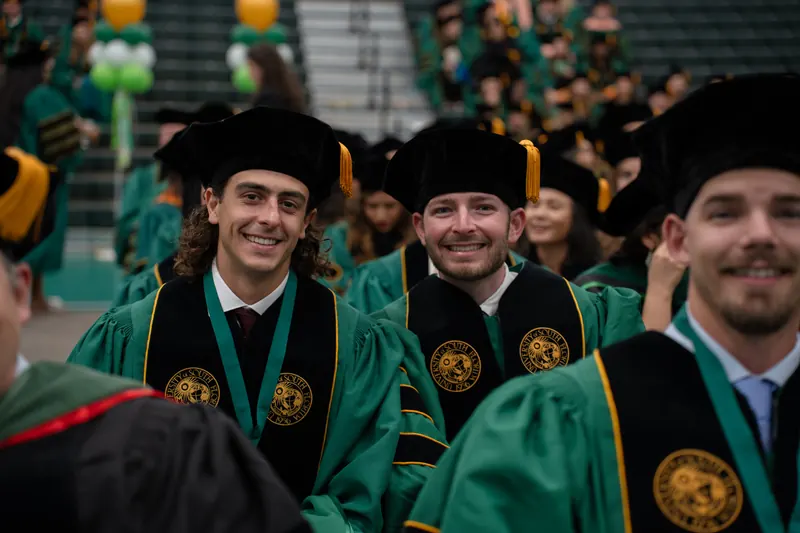
Students and alumni
Current students teach, present, and publish while they train. Graduates move into faculty, postdoctoral, clinical, and leadership roles.
Where graduates go
Graduates go on to faculty positions, postdoctoral fellowships, and clinical leadership and practice-owner roles. Alumni have taken positions at Johns Hopkins Medicine and the Kennedy Krieger Institute, Georgia State University, the University of Manitoba, Monmouth University, Western New England University, the University of Texas at San Antonio, the University of Florida, the University of Nebraska Medical Center, the May Institute, and California State University Los Angeles, and several have opened their own practices.
Current students
Doctoral students from seven cohorts share their research interests, the courses they teach, and the projects they have underway. Here are three of them.
-
Kyla Pagliai, M.S., BCBA
2024 cohort
Studies variations of functional analysis and the treatment of severe problem behavior, and is developing a clinician-completed assessment of how reinforcing social interaction is for children with autism.
Teaches Research Methods in ABA and Observational Methods and Functional Assessment.
-
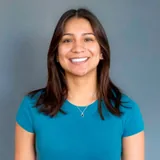
Madelyn Mercado, M.S., BCBA
2025 cohort
Applies behavior analysis to musical performance, including objective measures of musical accuracy and efficient training procedures for music educators and musicians.
Instructor for Research Methods in ABA.
-
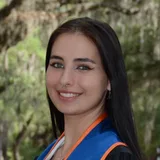
Rachel Brown, M.A.
2026 cohort
Applies evidence-based interventions in schools and inpatient hospital settings, with interests in caregiver training, behavioral gerontology, and pediatric feeding disorders.
Teaching assistant for Skills Assessment and Training in ABA and ABA in Complex Communities.
Calls take 30 minutes on Microsoft Teams and include a dial-in number. No account or download is needed.
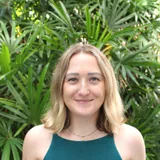
My time at USF has been amazing. I have been able to experience life as a faculty member, lead my own research teams, teach courses, and publish in high-impact journals, all while living in a great city with so much to offer.
Living in Tampa Bay
The program is based on USF's Tampa campus, in a region the university describes as offering year-round sunshine, scenic coastlines, world-class attractions, and a growing economy. Downtown Tampa and the Riverwalk, Gulf beaches, museums, professional sports, and a large dining scene are all within reach of campus.

Admissions and how to apply
The GRE is not required. Apply through USF's official graduate application by December 5.
Eligibility
- A master's degree in behavior analysis or a related field with strong behavior analysis content, with a minimum 3.50 GPA in the master's major.
- Research experience and an accepted master's thesis or equivalent experience.
- Eligibility for BCBA certification when you apply. You must become a BCBA by your second semester in the program.
- Full-time study on the Tampa campus. The program does not support outside employment, and funding is contingent on full-time student status without external employment.
Three steps to apply
- Find your research fit. Confirm your eligibility, read the faculty profiles, and email a mentor whose work fits yours.
- Prepare your materials. Three letters of recommendation, a personal statement describing your experience and accomplishments in ABA, your goals, and your reasons for doctoral study, a curriculum vitae, and transcripts. International applicants also submit proof of English proficiency.
- Complete the USF graduate application and select Applied Behavior Analysis PhD from the program menu. Selected applicants are invited to campus for an in-person interview with ABA faculty in January.
What happens after you apply
- December 5, 2026Application deadline for Fall 2027 admission.
- January 2027Faculty review applications and invite selected applicants to campus for in-person interviews.
- By March 2027Admission and assistantship decisions are made and applicants are notified.
- April 15, 2027Deadline to accept an offer of admission and funding.
- Fall 2027The new cohort begins on the Tampa campus.
Official requirement and application pages
Questions?
The program handles every inquiry directly. Send a question with the form, or email Tracy-Ann Gilbert-Smith about the program or your application. Contact the program director or any faculty member about research fit.
Send a question to the program office
Tell us a little about yourself and the program office will reply by email. We do not call, and we do not share your information.

Tracy-Ann Gilbert-Smith
General inquiries, USF Applied Behavior Analysis program office
Email: tgsmith@usf.edu
Phone: 813-974-3096
Raymond Miltenberger, PhD, BCBA-D
Professor and Director, ABA Programs
Email: miltenbe@usf.edu
- Contact any ABA faculty member directly (opens in a new tab)
- All program contacts (opens in a new tab)
Common questions
Answers come from the official program pages and the program director. Open a question to read the answer. If yours is not here, ask the program office.
Is the GRE required?
No. The program does not require the GRE for admission.
Do I need a master's degree to apply?
Yes. Applicants need a master's degree in behavior analysis or a related field with strong behavior analysis content, plus research experience and an accepted master's thesis or equivalent experience.
Do I need to be a BCBA?
Not at the time you apply, but you must be eligible for BCBA certification when you apply and must become a BCBA by your second semester in the program.
How are students matched with a mentor?
Each admitted student has a primary mentor from the five tenure-track faculty listed above. Name the faculty whose work fits yours in your personal statement, and email them before you apply. Mentor fit is part of the admission decision.
Can I work with more than one faculty member?
Yes. Students are encouraged to join more than one lab, and most publish and present with several faculty.
Is there an interview?
Yes. Selected applicants are invited to campus for an in-person interview with ABA faculty in January.
When will I hear back?
Interview invitations go out in January, and admission decisions are made by March. Admitted applicants have until April 15 to accept.
Is funding guaranteed?
Yes. Every admitted student receives a graduate assistantship with a stipend, tuition waiver, and health insurance subsidy for at least four years. No separate assistantship application is required.
Can the application fee be waived?
USF's graduate application fee is $30. USF Graduate Admissions waives it only for US citizens and permanent residents who took part in the McNair Scholars Program, SSS-TRIO, MARC U-STAR, RISE, the APS Bridge Program, the Leadership Alliance, FGLSAMP, the FAMU Graduate Feeder Scholars Program, EducationUSA Opportunity Funds, or the GEM Consortium. Before you apply, ask that program's director to complete USF's Application Fee Waiver Verification Request Form and email it to GradAdmissions@usf.edu.
What does the assistantship involve?
A 12-month, 20-hour-per-week appointment. Duties include teaching classes, assisting faculty with research, and other assigned work. Students move from teaching assistant to instructor of record with mentorship along the way.
Does the program run through the summer?
Yes. The assistantship is a 12-month appointment, and research and teaching continue year-round.
How long does the program take?
The course sequence is built for three years, so students can finish in as few as three years. Funding runs for at least four years.
How many students are admitted each year?
Recent cohorts have had three to five students. The program admits a small group so every student has close mentorship.
Can I attend part-time or keep my job?
No. Students are full-time students on the Tampa campus. The program does not support outside employment, and funding is contingent on full-time student status without external employment.
Is the program offered online?
No. The PhD is an in-person program on USF's Tampa campus.
I am an international applicant. What else do I need?
USF requires proof of English proficiency and evaluated transcripts for international graduate applicants. Follow the link to USF's international graduate admissions page in the Admissions section, then email the program office with program questions.
Now accepting applications
Application deadline: December 5
Select Applied Behavior Analysis PhD in the USF graduate application.